
Defining the Ecosystem
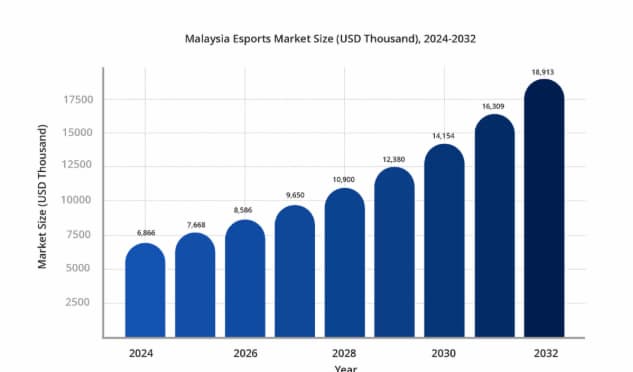
Esports is a structured form of competitive gaming that involves professional players, tournaments, spectators and commercial activities, making it distinct from casual gaming. In Malaysia, esports is recognised as both a sports and digital economy sector, supported by government initiatives and a growing digital population. The Malaysian esports market is projected to grow from USD 6.8 million in 2024 to USD 18.9 million by 2032 (13.5% CAGR), with more than 55% of Malaysian gamers actively engaging in esports-related activities. Beyond direct revenue, esports also generates economic value for supporting industries such as tourism, hospitality, broadcasting, retail, technology and education.
Stakeholders
| 🎮 Game Publishers | 🏆 Event Organisers |
| 👥 Professional Teams & Players | 📺 Streaming Platforms |
| 🤝 Sponsors | 🏛️ Sports Associations |
| 🏢 Government Agencies | |
Esports is a structured form of competitive gaming that involves professional players, tournaments, spectators and commercial activities, making it distinct from casual gaming. In Malaysia, esports is recognised as both a sports and digital economy sector, supported by government initiatives and a growing digital population. The Malaysian esports market is projected to grow from USD 6.8 million in 2024 to USD 18.9 million by 2032 (13.5% CAGR), with more than 55% of Malaysian gamers actively engaging in esports-related activities. Beyond direct revenue, esports also generates economic value for supporting industries such as tourism, hospitality, broadcasting, retail, technology and education.
Mapping Esports Ecosystem in Malaysia
Malaysia's esports ecosystem creates both economic and social value through interconnected activities involving competitions, content creation, sponsorship, streaming and digital services. The industry stimulates employment and business opportunities across event management, media production, coaching, facility management, transportation and technology sectors. Socially, esports promotes youth participation, digital skills, entrepreneurship and career opportunities while improving inclusivity and mental health awareness. However, challenges remain, including heavy reliance on sponsorship revenue, fragmented governance, limited structured education and public misconceptions about esports careers
Recommendations
To ensure sustainable growth, Malaysia should diversify esports revenue beyond sponsorships by expanding media rights, merchandising and commercial partnerships. Governance should be strengthened through clearer roles, improved collaboration among stakeholders and enhanced industry regulations. Greater investment in education, talent development and player welfare is needed to establish esports as a recognised career pathway. Finally, continued investment in infrastructure, international tournaments, sustainability practices and inclusive participation will strengthen Malaysia's position as a leading esports hub in Southeast Asia.